The Table, the Box, the Booth: Turning Offline Moments Into Measurable Bio-Page Traffic
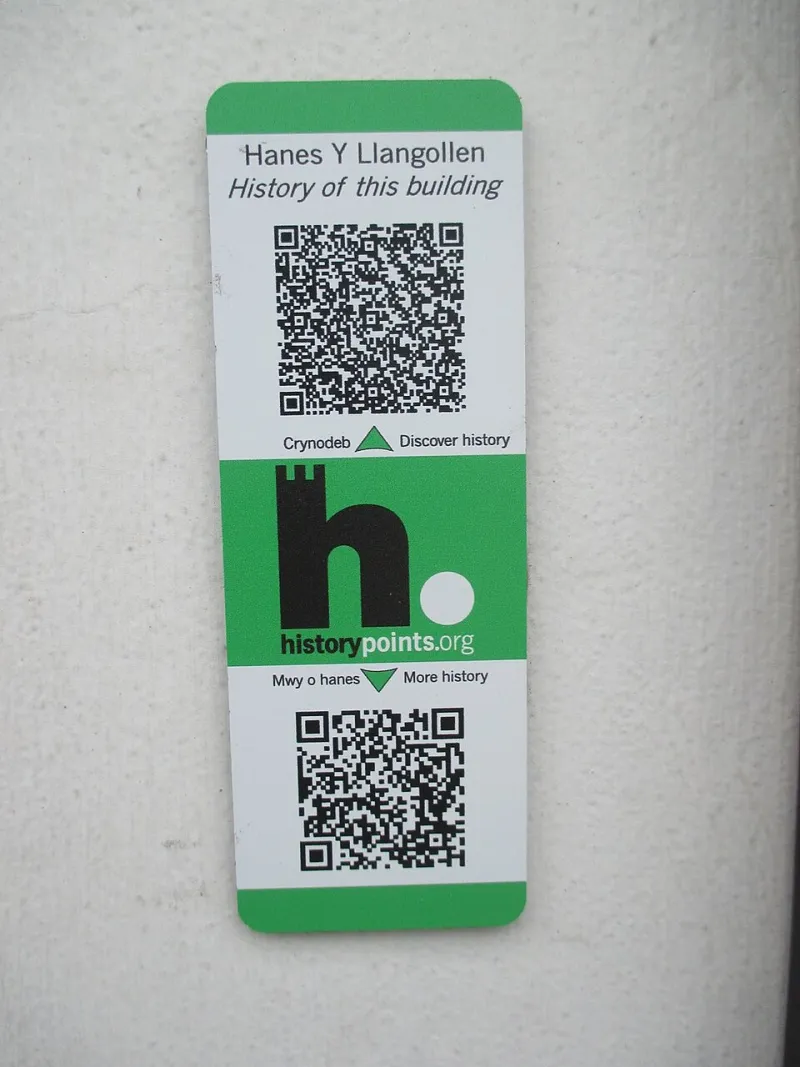
Photo: Meirion , CC BY-SA 2.0, via Wikimedia Commons
For years, the QR code was the thing you apologized for. You put one on a flyer, nobody scanned it, and the whole experiment felt like a prop. That has changed. Camera apps read codes without an app, phones got faster, and — more to the point — people got used to pointing a camera at a thing to learn more about it.
For creators with a bio page, that shift is quietly valuable. A market table, a shipping box, a conference booth: each one is a moment when someone is already interested and has a phone in hand. A code turns that moment into a page view, and a page view into a tracked click. The trick is doing it without wasting the scan.
Why the offline-to-bio handoff is worth building now
Offline attention used to be a dead end for measurement. You handed out a card, someone maybe typed a URL wrong later, and you never knew. A scannable page closes that loop. You can see how many people scanned, which placement they came from, and what they tapped once they arrived. That is not just vanity data — it tells you whether the table tent or the box insert is pulling its weight.
Put the code where hands and eyes already are
Placement does most of the work. A few patterns that hold up:
- Table tents at eye level, not flat on the table. A code lying flat is only readable by someone leaning over it. Angle it up.
- Packaging inserts that feel like a gift. A small thank-you card with a code to a behind-the-scenes page or a first-order offer travels better than a coupon printed on the outside of a mailer.
- Booth signage with a fallback. Big code on the banner for people walking past, small card at hand height for people actually talking to you.
- Market stalls with the code on the bag. By the time someone is holding a bag, they have already decided they like you. That is the warmest scan you will ever get.
Keep a quiet margin of blank space around the code, print it dark on light, and skip the glossy laminate that turns into a mirror under venue lighting.
Close the three-second gap between scan and page
The scan itself is fast; the disappointment is what costs you. If the sign says 'Sweet Peach hot sauce — find the heat scale and the farm story,' the page should open on that, not on a generic homepage with eleven links.
Continuity is the whole game. Match the headline on the printed piece to the headline on the page. Use the same photo. If the code lives on a holiday market table, the page should say so — 'You scanned this at the Saturday market, here is the sampler' beats a page that acts like it has never met you. Everyone at that table is meeting you for the first time; the page should feel like the second half of the same conversation.
Give every placement its own fingerprint
One code for everything is a measurement dead end. Where your tool allows it, generate distinct codes or tagged links per placement — booth banner, table tent, box insert, sticker on the van. Then your tracking separates the winner from the decoration.
On a bio page, per-link click tracking does the rest. You can see scans arriving, see which button people hit, and see where they drop. Rough rule of thumb: a warm placement, like a bag insert or a hand-to-hand card, will convert to a page visit far better than a code glimpsed from across a hall. Expect meaningful but modest scan rates from signage and treat printed packaging as the strongest performer of the bunch.
The pitfalls nobody warns you about
A handful of mistakes flatten offline campaigns before they start:
Size and distance. A code meant to be scanned from across a booth needs to be much larger than one on a card. Print it big, test it from the actual distance, and test it with two different phones.
Venue connectivity. Conference halls and indoor markets are notorious for weak signal. Keep the destination page light: compressed images, no autoplay, minimal scripts. A heavy page turns a great scan into a blank screen and a shrug.
Privacy overreach. Do not force an email address or an app install before people can see the thing they scanned for. Ask for the email after you have delivered the value, if at all, and be plain about what you will send. Nobody at a pop-up wants to feel ambushed by a marketing funnel.
Tracking that oversteps. Campaign parameters and click tracking are fine; loading the page with third-party pixels that follow people around is a bad trade for a small brand. Keep it proportionate — you want to know what worked, not who someone is.
Accessibility. Always print a short, readable URL next to the code. Some phones will not scan, some people use screen readers, and some simply prefer typing. High contrast, no code over a busy photo, and alt text or a described link on the digital end. The physical piece should be usable by someone who never gets the camera to focus.
Make the page earn the second visit
A scan is only step one. The bio page should give the offline visitor a reason to stay in touch: the market calendar, the next pop-up date, a newsletter signup that mentions the event they just attended, a photo of the table they walked past. Add a line or two that only makes sense to someone who was in the room and you turn a curiosity scan into a relationship.
Start with a single code
You do not need a system. Print one code for your next market or your next shipping run, tag it, and watch the clicks for two weeks. Then compare it against a plain link in your bio. Whichever one earns more taps gets expanded, and the other stays a story you tell at parties. Offline attention has always been real; the difference in 2026 is that you can finally count it.